


-
Common RFID Failures in Packaging and How to Avoid Them
RFID technology is becoming a staple in packaging for major brands – from tracking Coca-Cola’s shipments to streamlining Amazon’s fulfillment. The promise is compelling: real-time visibility, fewer errors, and improved ROI. But on the factory floor and in distribution, RFID isn’t foolproof.
-

Corrugated Packaging Market Growth Forecast
The global corrugated packaging market is entering a decade of steady growth, fueled by e-commerce demand and sustainability trends. Industry forecasts show the market climbing from roughly $171 billion in 2024 to about $283 billion by 2034, a healthy mid single-digit CAGR. Regular slotted containers (RSCs) – the classic shipping boxes – remain the workhorse with over half of global volume.
-

How Kyocera’s Restructure Strengthens the Inkjet Printhead Supply Chain
Kyocera’s 2025 business restructure reinforces its commitment to inkjet. Learn how this shift impacts printhead supply, OEM partnerships, and industry stability.
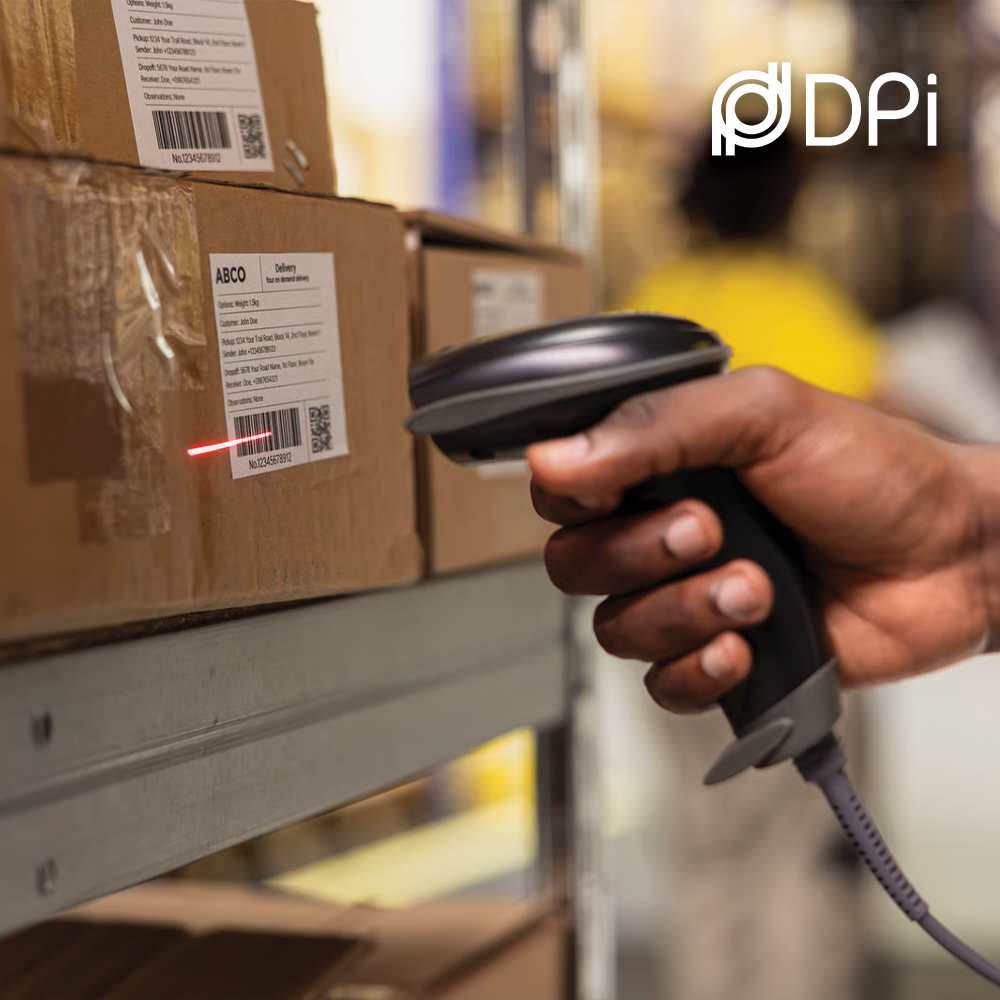
Why SKU Explosion Is Breaking Traditional Print Workflows
Consumer brands aren't slowing down on SKU counts — they're accelerating. Seasonal promotions, regional packaging, limited-edition runs, and e-commerce exclusives mean converters who once managed a handful of long runs now juggle hundreds of jobs with unique artwork, barcodes, and specs. The math is brutal: more changeovers, more setup time, more downtime between jobs, and less inventory buffer to hide behind. Traditional planning built around large batches simply can't keep pace. The converters staying profitable in this environment aren't just buying new equipment — they're rethinking the entire production model. Hybrid inkjet retrofits, automated prepress, quick-change tooling, and modular digital systems are turning what used to be a production break into a smooth part of the workflow. Here's what that looks like in practice.

How to Stand Out at Industry Trade Shows: The Purple Cow Principle
Walk any aisle at PRINTING United, Graph Expo, or NPF and you'll see the same thing repeated booth after booth: equipment up front, brochures on the table, a looping demo video, a sales rep hoping someone stops. The problem isn't your product — it's that every competitor is doing the exact same thing. In a crowded trade show hall, the brain filters out repetition and notices novelty. You have about three seconds to interrupt someone's walk before they're gone. At NPF 2025, we printed fake hundred-dollar bills with unique QR codes and fed them into a glass box with a fan blowing them around like a cash tornado. People stopped. They photographed it. They reached in and grabbed a bill. And that's when we got to talk about what we actually sell. Here's what we learned — and how you can apply the same psychology to your next show.

Skilled Labor Shortages in Printing and Packaging
Skilled labor shortages in the printing and packaging industry are no longer a temporary problem — they're structural. With nearly 75% of U.S. print companies struggling to hire qualified press operators and 95% of CPG manufacturers reporting similar challenges, facilities can't afford to wait for the market to correct itself. The most effective response isn't ripping out equipment or automating everything at once. It's a phased approach: standardize workflows first, then automate the highest-pain bottlenecks, then modernize incrementally through modular retrofits and maintenance-friendly systems. Here's what that looks like in practice — and why it's working.

Keep US Posted presses Congress to condition USPS relief on enforceable reforms
A growing policy debate is shaping the future of the U.S. Postal Service. In April 2026, the Keep US Posted coalition called on Congress to tie any financial relief for USPS to enforceable reforms, citing concerns over cost control, pricing discipline, and long-term sustainability. With warnings that the agency could run out of cash within a year and legislation such as H.R. 3004 proposing significant changes, this article explores what these developments mean for mailers, businesses, and the broader postal ecosystem.
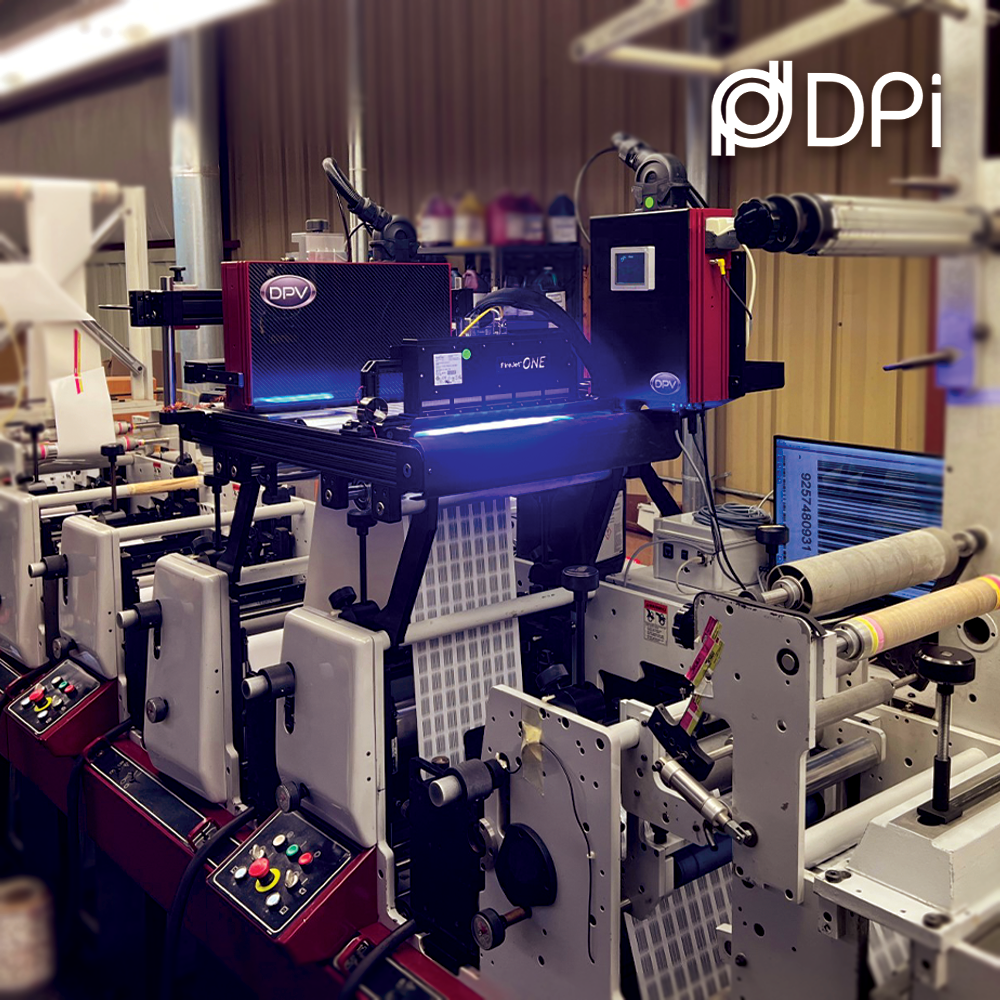
Hybrid Packaging Presses Gain Traction in
Hybrid press lines that integrate production inkjet with inline flexo stations are rapidly gaining traction across North America. As SKU proliferation and shorter run lengths challenge traditional workflows, hybrid printing offers a single-pass solution that balances digital flexibility with flexo economics. This article explores the technology, ROI, operational considerations, and why retrofitting variable inkjet—such as DPi’s M7 platform—provides a cost-effective path to modernization.

Containerboard Pricing Volatility Returns as an Ops and Quoting Risk
Announced containerboard price increases and volatile benchmark indices in early 2026 are squeezing packaging converters. This article explores the operational and financial risks caused by pricing lag and outlines practical strategies—such as tightening quote validity, formalizing escalation clauses, and improving communication—to help businesses protect margins and maintain customer trust.
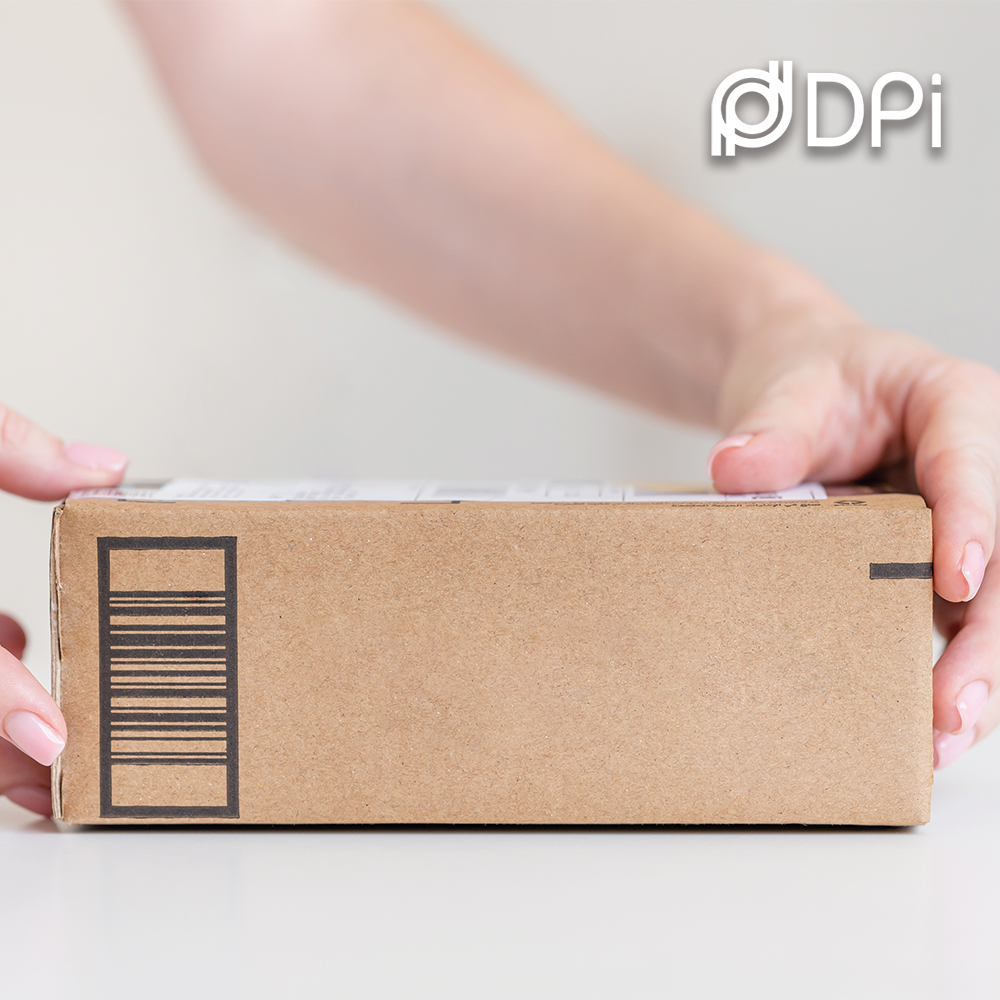
Brands Ditch Labels for Direct-to-Packaging Print
Ecommerce brands are abandoning labels for direct-to-packaging printing on corrugated boxes. Faster turnaround, lower costs, sustainable materials, and personalized unboxing drive adoption in DTC beauty and health sectors.
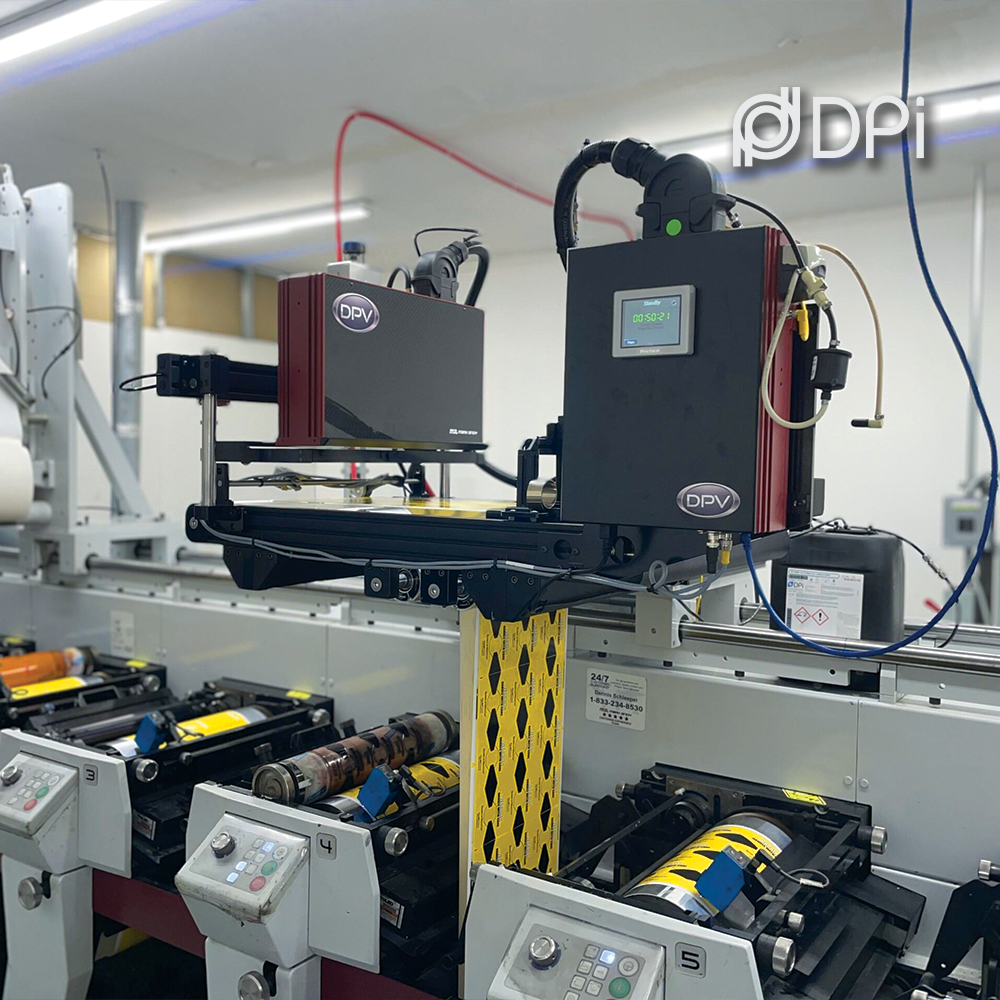
Hybrid Printing Is the Real Future of Packaging Production
Hybrid packaging production—flexo for static graphics, digital for variable data—solves SKU proliferation without full press replacement. Retrofit modules protect existing assets while adding agility.

How Digital Watermarks Work in Recycling Lines
Digital watermarks are becoming a packaging manufacturing requirement as EPR laws shift recycling costs to producers. Industrial trials show 93.8% detection on post-consumer waste—visible codes can't match it.
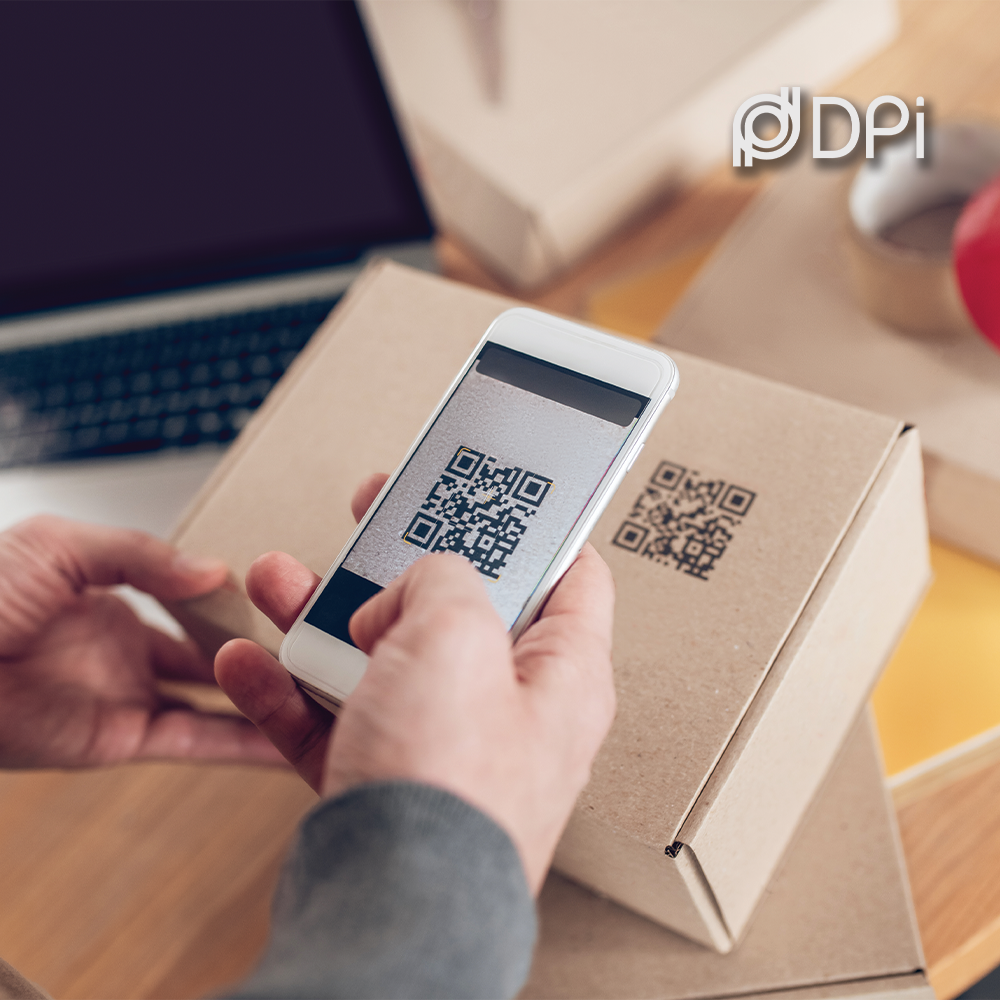
Counterfeit‑Proof QR Codes for Packaging Are Moving from Novelty to Necessity
Secure QR codes on packaging are becoming regulatory infrastructure. EU Digital Product Passports and pharma serialization rules require cryptographic signatures, watermarking, and audit trails—not just printed codes.
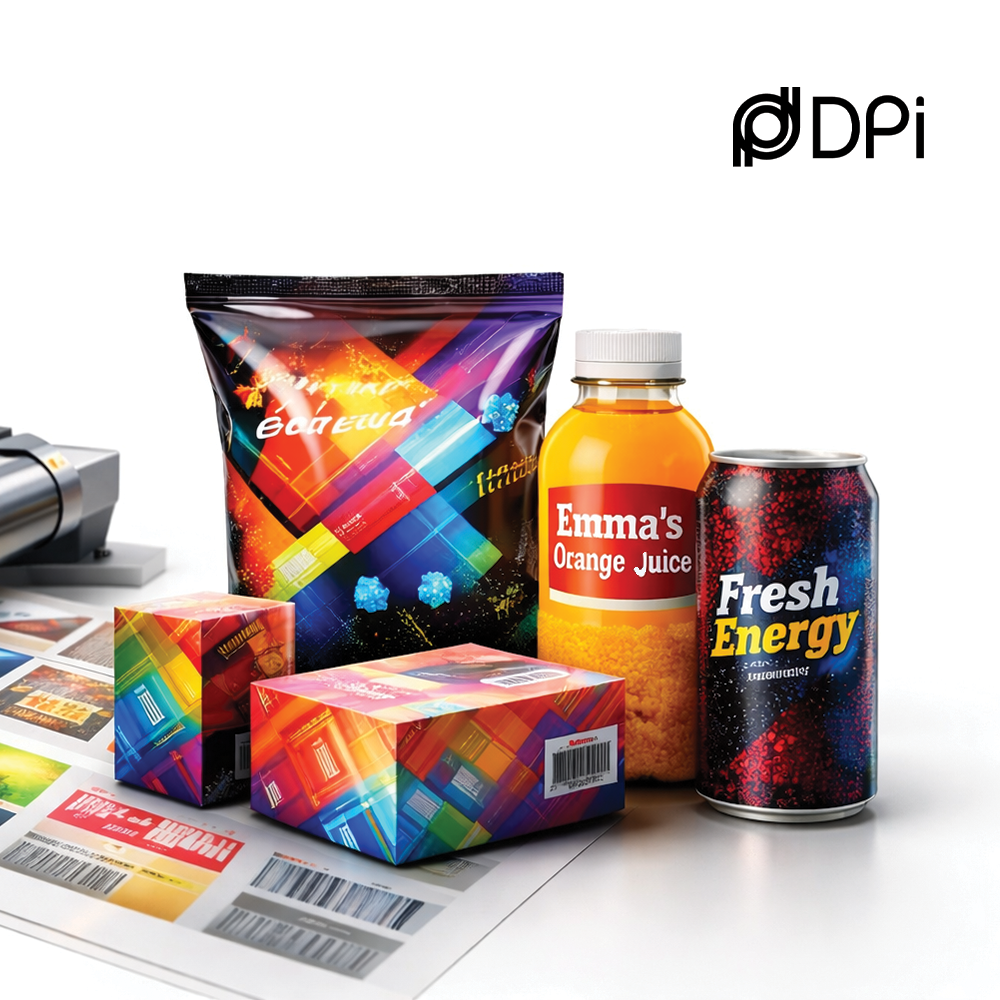
2026 Could Be the Breakout Year for Digital Packaging Printing
Digital packaging is entering a mature phase in 2026 as brands demand faster turnaround and SKU flexibility. Short-run economics and hybrid integration are reshaping converter investments.
Walmart and Amazon Scale RFID Tagging Across Packaging Lines
Walmart and Amazon are mandating RFID tags across corrugated and flexible packaging lines, fundamentally reshaping requirements for packaging suppliers. What began with apparel now encompasses nearly every product category, driven by RFID's ability to boost inventory accuracy from 70% (barcodes) to 95-98% (RFID) and enable automated bulk scanning without line-of-sight.
For packaging converters and printers, this creates both compliance pressure and opportunity. Production lines must integrate RFID inlay insertion systems, encode unique IDs, and verify each tag—requiring capital investment in equipment and IT infrastructure. Tag placement must be engineered into package design to avoid metal interference and ensure reliable scanning. Suppliers need to meet retailer-specific playbooks with approved inlay models and placement guidelines.
The technical challenges are real: tags must withstand printing, gluing, and filling processes without damage, and systems must link each tag ID to product data in ERP platforms. However, RFID tag costs have dropped 80% over the past decade while performance improved, making ROI achievable within a year through reduced labor and shrinkage. Packaging suppliers who integrate RFID capability can secure long-term relationships with major retailers—those who don't risk being left behind.
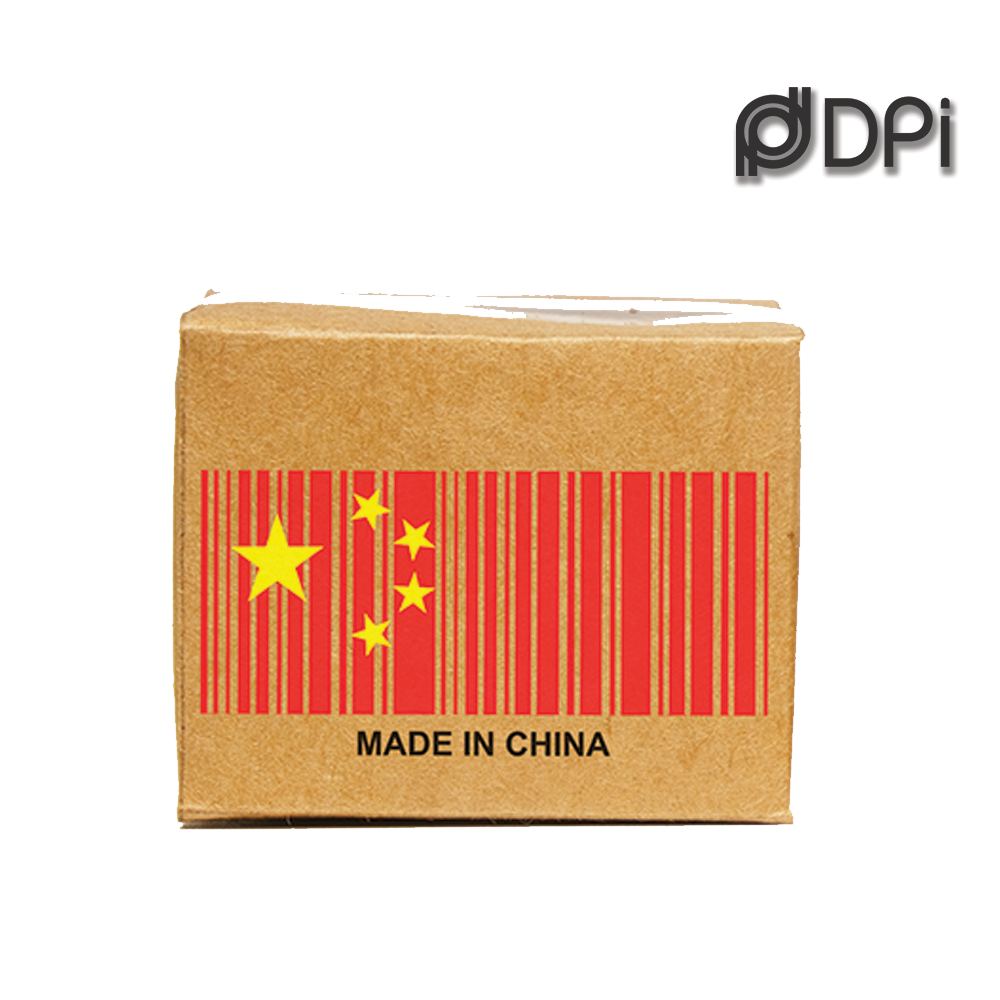
China’s Post-2025 Paperboard Export Strategy and U.S. Packaging Impacts
The 2025 U.S.-China tariff truce fundamentally reshaped paperboard trade. After mid-year negotiations slashed U.S. tariffs on Chinese imports from 145% to 30%—and China reduced duties from 125% to 10%—Chinese paperboard immediately became cost-competitive in global markets again.
China's massive production capacity positions it to capitalize on this opening. With 2024 output hitting a record 158.5 million tons (up 8.6% year-over-year) and major mills running at only 65% capacity due to domestic oversupply, Chinese producers have both excess inventory and structural cost advantages to fuel aggressive export strategies.
For U.S. packaging converters and printers, this creates both opportunities and challenges. Lower substrate costs provide margin relief after years of tariff-driven inflation, but American paperboard manufacturers face renewed competitive pressure from imports priced below their production costs.
Strategic sourcing is shifting toward "China-plus" models—leveraging Chinese cost advantages while maintaining domestic suppliers as hedges against future trade volatility. Smart procurement teams are diversifying supplier bases, negotiating flexible contracts with tariff contingencies, and preparing scenarios for potential anti-dumping duties if Chinese imports surge too aggressively.

AI in Print Shops: Myth or Must-Have?
Commercial and packaging printers are adopting AI not as hype, but as a practical production tool. Modern AI-driven workflows automate prepress tasks, route orders from web portals directly to presses, and optimize job scheduling based on machine availability and deadlines—eliminating manual file transfers and spreadsheet juggling.
The results are measurable. Label printers using HP Site Flow automation report 30-40% output increases without adding staff. AI-powered estimating tools analyze historical job data to generate instant quotes, while predictive maintenance systems monitor press sensors to anticipate failures before they cause downtime.
AI scheduling platforms like Fiery IQ dynamically reschedule jobs to avoid bottlenecks and maximize press utilization. Web-to-print systems with AI-generated price quotes and automated preflight checks reduce human error and cut turnaround times on complex variable-data jobs.
However, AI isn't magic. Industry research shows success requires clean data, modern MIS integration, and staff training. The most practical approach: start with one bottleneck—quality control, scheduling, or maintenance—then scale up incrementally. For competitive print operations, AI is shifting from experimental to essential.
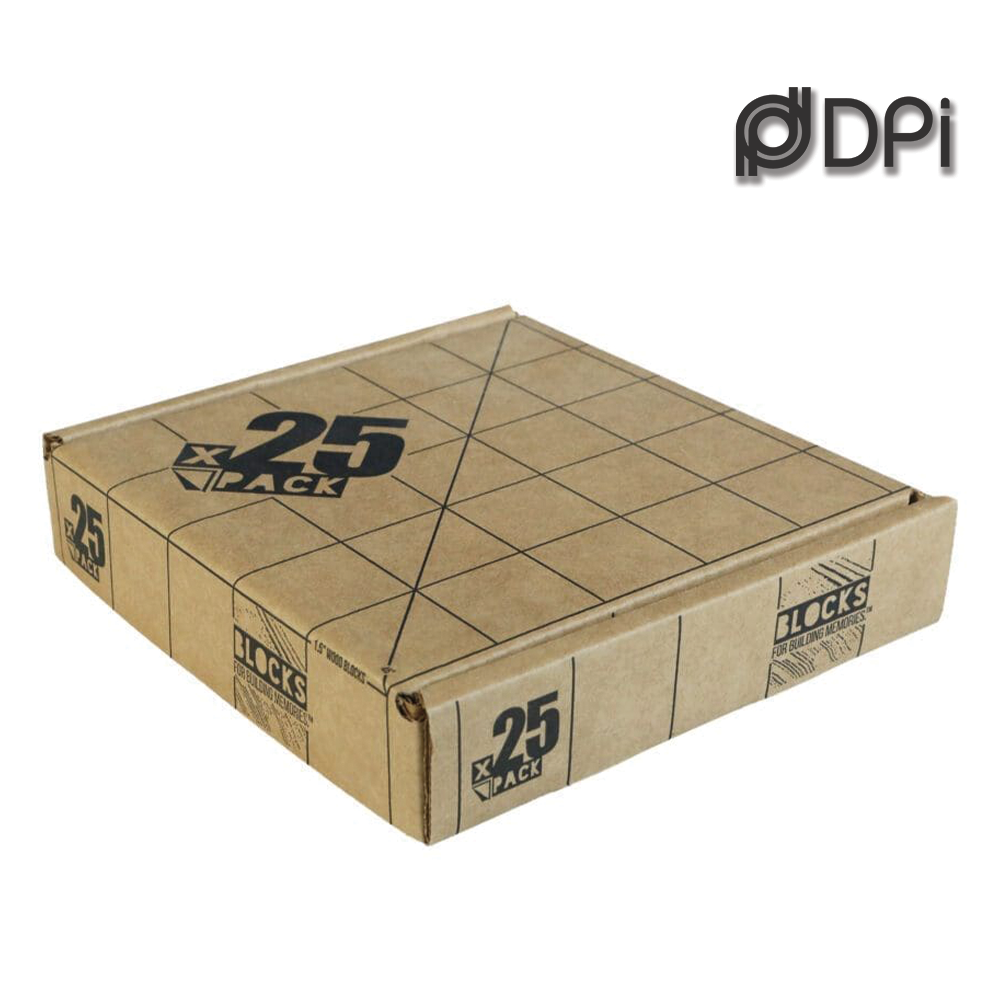
Direct-to-Packaging Printing: A Growing Trend in eCommerce
eCommerce brands are ditching stick-on labels in favor of printing shipping information, barcodes, and branding directly onto corrugated boxes. Direct-to-package printing integrates with fulfillment lines to mark cartons at speeds exceeding 1,000 mm per second—more than double typical label applicators.
The benefits extend beyond speed. Per-print costs drop roughly 60% compared to printing and applying labels, while eliminating label stock inventory and applicator maintenance. Digital inkjet systems print variable data—addresses, tracking codes, personalized messages—without plates or setup delays, giving brands the agility to update designs instantly.
This shift also transforms packaging into a marketing channel. Studies show consumers are 4× more likely to recall advertisements printed on shipping boxes compared to traditional media, while branded packaging increases repurchase likelihood by 14 points. Sustainability improves too: printing directly on boxes eliminates adhesive waste and simplifies recycling.
As high-speed inkjet technology overcomes previous barriers to printing on corrugated substrates, direct-to-package printing is quickly becoming the new standard for eCommerce fulfillment operations.
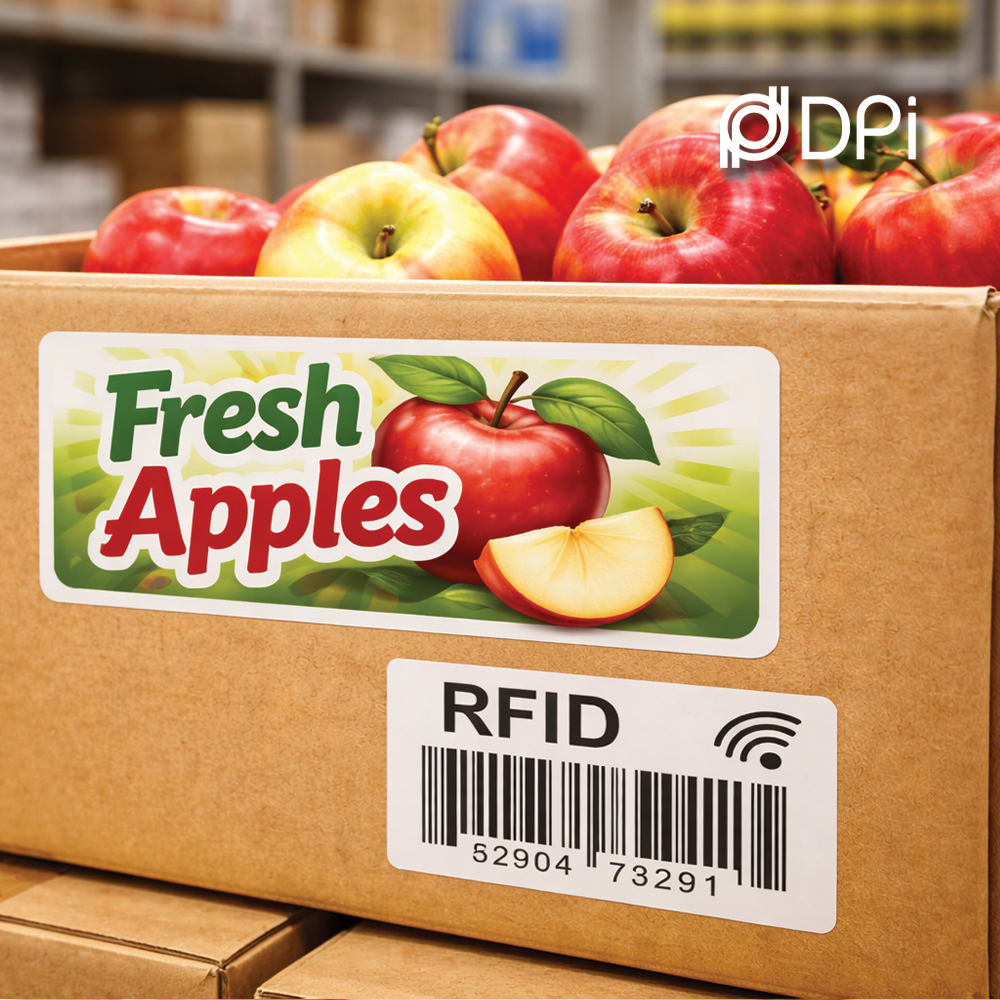
RFID in Corrugated Environments: Moisture, Metal, and Real-World Challenges
RFID works great in theory—but what about damp boxes, metal shelves, or fast-moving pallets? This article breaks down why RFID sometimes fails in corrugated environments and how packaging pros can fix it. Get practical tips on tag selection, placement, and line setup to keep read rates high and production moving.
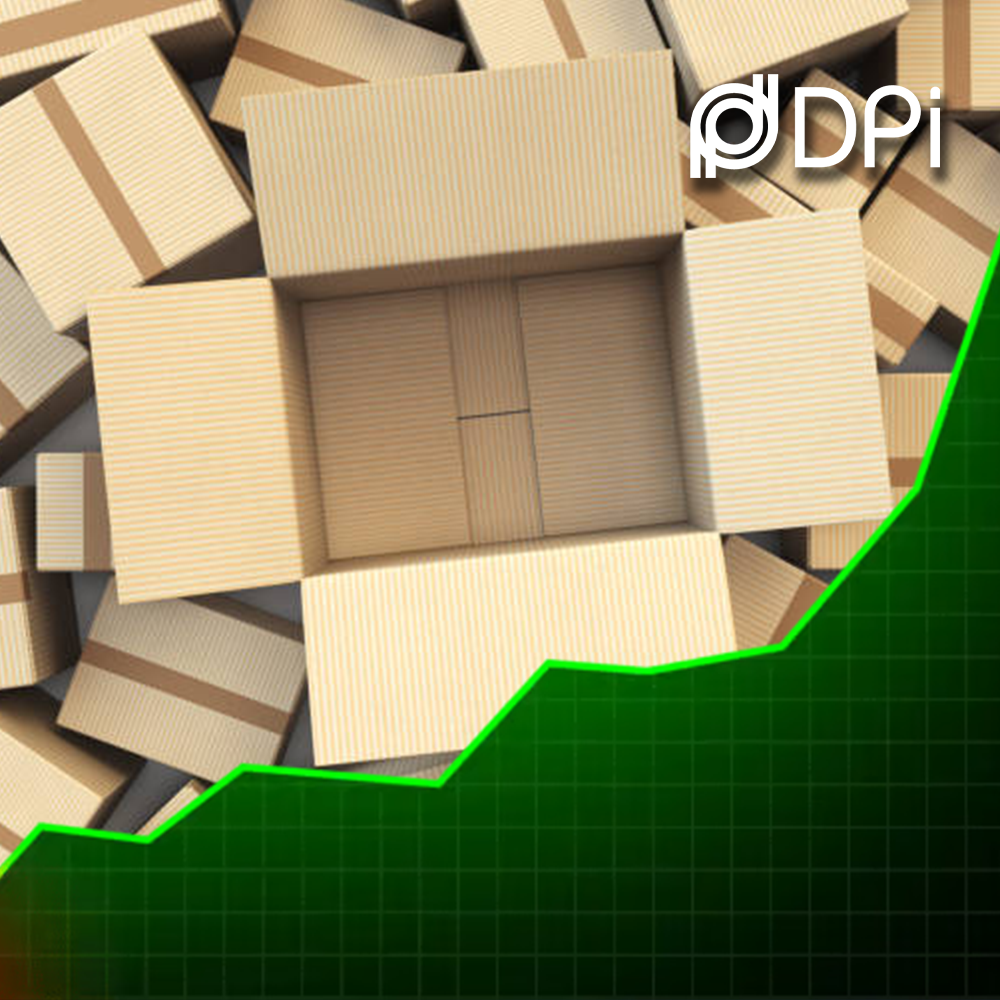
Corrugated Packaging Market Growth Forecast — Regional Share Insights as the Market Rises Toward $283B by 2034
Corrugated packaging is booming—and changing fast. As the market heads toward $283 billion by 2034, converters and brand suppliers must adapt to evolving demands like high-graphic printing, retail-ready formats, and sustainability mandates. This article breaks down the biggest growth drivers and regional trends shaping the next decade of corrugated packaging.

Loupe (formerly Labelexpo) Expands Packaging Tech Coverage, How the Rebrand Reflects the Growth of Smart Packaging and Digital Embellishment
Labelexpo is now Loupe—and the change is more than cosmetic. The rebrand reflects a growing shift in packaging: label printers becoming full-service converters, smart tech going mainstream, and digital embellishment moving from niche to necessity. This article explores what Loupe’s new identity means for your business—and why it’s the industry event to watch in 2026.
Common RFID Failures in Packaging and How to Avoid Them
RFID promises visibility and efficiency, but real-world failures can quickly erode ROI. From unreadable tags and moisture issues to static damage and tag confusion, even minor RFID mistakes can ripple across fulfillment and inventory. This article breaks down the most common RFID problems in packaging—and gives practical, field-tested strategies to prevent them. If you're serving major brands with RFID-labeled cartons or cases, you can’t afford to ignore these pitfalls.

The Real Value of Remote Support in Production Printing
In production printing, uptime is everything. When equipment or software issues interrupt a line, the cost is immediate and measurable. Remote support allows problems to be diagnosed and resolved quickly by experts who know the system, reducing downtime, protecting SLAs, and keeping production moving—without waiting for an on-site visit.